
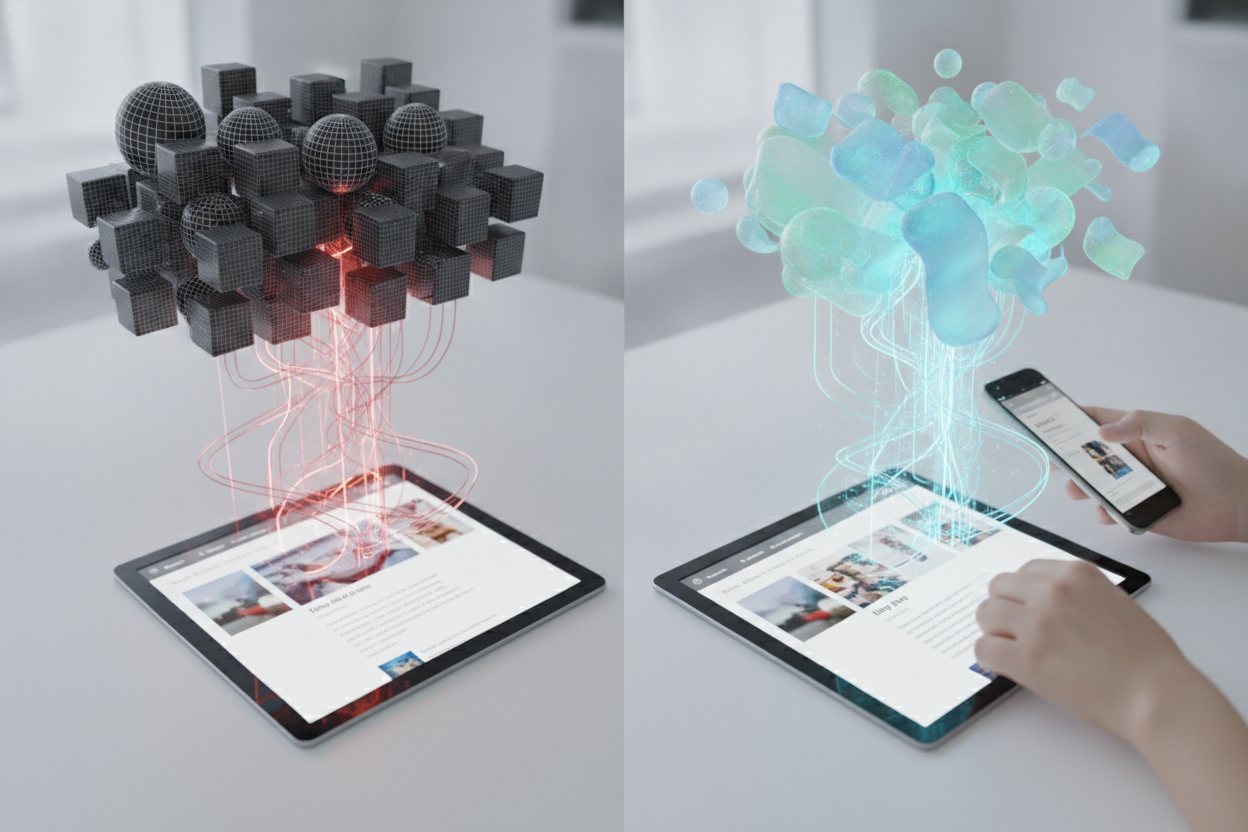
Images can improve a blog, but they can also slow it down if they are not handled carefully. On a fast-loading site, every visual should earn its place. That does not mean avoiding images entirely. It means choosing them thoughtfully so they support the reading experience instead of interrupting it.
Large files often create the biggest performance problems. Even one oversized image can delay the page enough to affect how the site feels. Readers on slower connections notice this immediately, and mobile visitors may be even more sensitive to it. When a blog is built around speed and readability, image optimization becomes part of the design process rather than a technical afterthought.
The best images for a minimal blog are usually simple, relevant, and light. A single strong visual can set the tone for a post without overwhelming it. Consistent sizing also helps the layout feel tidy and predictable. That predictability matters because readers should be able to focus on the text without visual distraction.
If your content does not need images to make the point, consider using fewer of them. A text-first approach can be powerful when the writing is strong and the typography is clear. By keeping visuals efficient and intentional, you preserve the calm, uncluttered feel that makes a lightweight blog enjoyable to use.
Leave a Reply